Apple Explains the Arrival of Touch on the MacBook Pro
Apple executives discuss why the MacBook Pro finally features a touch display and how the technology was achieved.
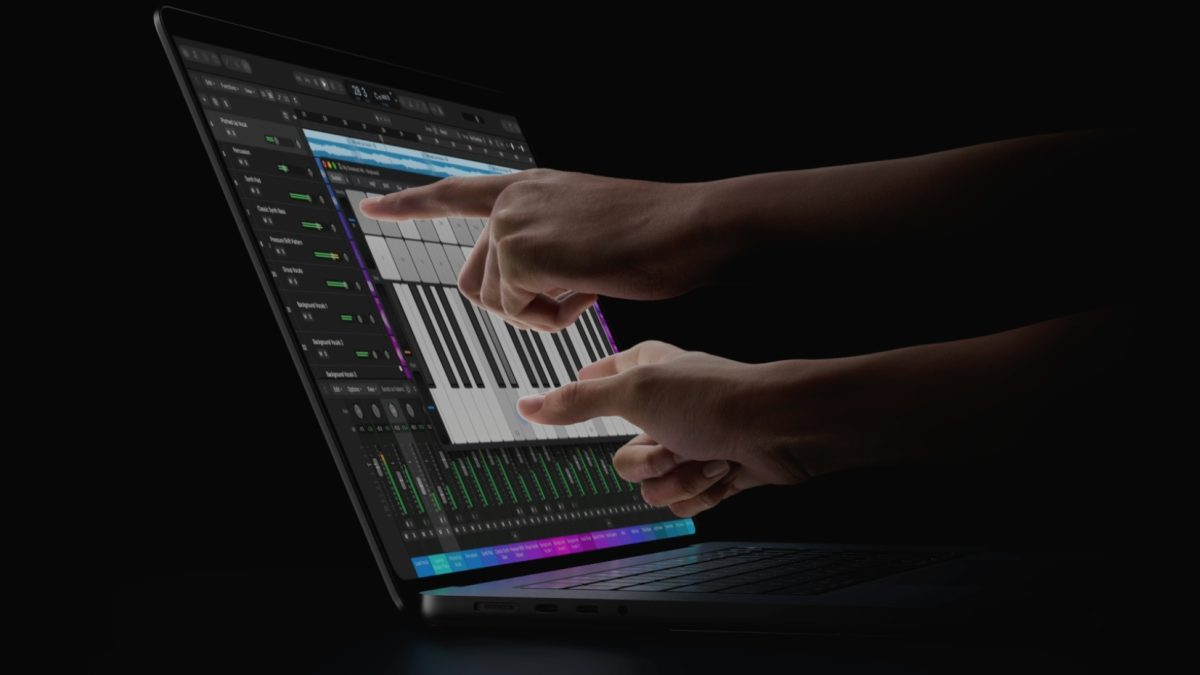
Apple has introduced touch capability to the MacBook Pro, reversing a long-held strategy regarding its portable computers. According to information shared with Wired, company leaders detailed the reasoning behind this hardware shift and the technical hurdles required to make it work. The new notebooks are currently available for pre-order, with an official release scheduled for November 6, and a starting price of $2,899.
Hardware chief Johny Srouji, marketing executive Greg Joswiak, and CEO John Ternus spoke about the design philosophy driving the update. While the company views the Mac primarily as an indirect input device driven by a keyboard and trackpad, executives noted that physical touch inputs can be convenient during specific tasks. For years, Apple maintained that the iPad and Mac product lines should remain separate because they served distinct purposes.
Overcoming Hardware Challenges
Adding direct touch to a laptop required meeting strict internal design standards. Srouji stated that advancements in display panels, custom processors, and operating software finally allowed the corporation to clear its quality threshold. The team refused to compromise the computer's physical profile, ensuring the addition of touch did not result in a thicker or heavier chassis.
This balance was achieved by adopting an advanced OLED panel. Furthermore, engineers had to redesign the thermal layout to prevent the screen surface from warming up during use. Other mechanical adjustments include a sturdy hinge to prevent panel wobble under finger pressure, alongside a special anti-reflective coating designed to resist excessive smudging.
Market Timing and Future Expectations
Joswiak pointed out that professional clients have long requested touch support, while a younger demographic of content creators simply expects touch screens as a standard feature on modern computers. Despite these additions, the core identity of the laptop remains centered on traditional mouse and keyboard navigation.
For prospective buyers, the updated lineup represents a significant technological shift without sacrificing the portable form factor. Pre-orders open immediately, and physical units will arrive in consumers' hands on November 6.