Apple iPhone 18 Pro Max vs. iPhone 17 Pro Max Tested
A detailed hardware comparison between Apple's newest flagship and last year's model reveals key differences.
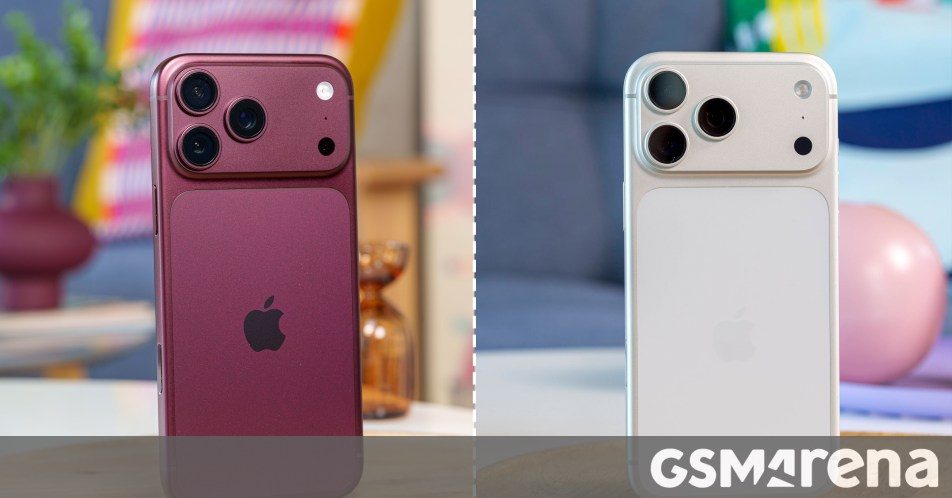
GSMArena has published a comprehensive evaluation comparing Apple's latest top-tier smartphone to its predecessor. While the new model brings notable internal upgrades, last year's device still offers substantial value at a reduced price point.
Design and Display Contrasts
Both handsets share identical physical dimensions and employ an aluminum unibody protected by second-generation Ceramic Shield on the front and first-generation protection over the rear charging coil. They also maintain an IP68 dust and water resistance rating, allowing immersion up to six meters for thirty minutes.
Despite matching sizes, the newer device weighs 15 grams more due to a larger battery and an expanded cooling apparatus. Both phones utilize a 6.9-inch LTPO Super Retina XDR OLED display featuring a 120Hz refresh rate and peak brightness reaching up to 3,000 nits.
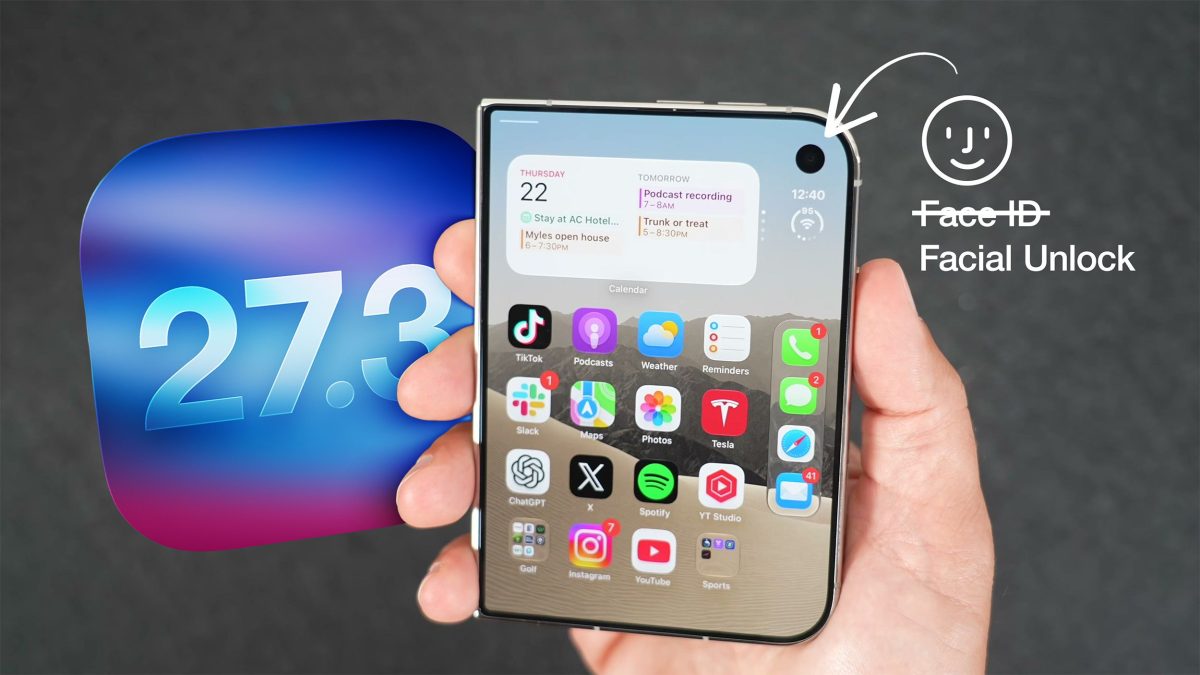
A primary visual differentiator is the Dynamic Island cutout, which is reduced by 35 percent on the newer handset. Apple achieved this reduction by relocating the infrared camera underneath the screen to the left side of the pill-shaped area.
Performance and Power Capabilities
Under the hood, the newest Apple handset integrates the A20 Pro chip built on a 2nm node, paired with a 32-core Neural Engine and a 96-bit memory bus. In contrast, the previous generation relies on the 3nm A19 Pro processor with a 16-core Neural Engine and a 64-bit bus.
Benchmark evaluations demonstrate that the A20 Pro delivers roughly 30 percent higher central processing unit scores alongside a greater than 30 percent graphics boost. Overall, the newer smartphone achieved an AnTuTu benchmark score nearly 48 percent higher than its predecessor.
Battery capacity has also grown, featuring a 5,391mAh cell in the nano-SIM variant, yielding an active use rating of 19 hours and 20 minutes. Testing confirms faster replenishment times, with the device drawing up to 53W during initial charging stages and reaching 50 percent capacity in just 15 minutes.
Camera Adjustments and Verdict
Photography hardware remains largely consistent, though the main shooter on the current model introduces a variable aperture lens ranging from f/1.48 to f/4.0 alongside intermediate settings of f/1.8 and f/2.8. Furthermore, the newer software introduces partial manual controls for adjusting shutter speed and white balance.
Ultimately, buyers must decide whether the extra processing power, smaller cutout, and faster charging justify purchasing the latest release or saving money with the older generation.