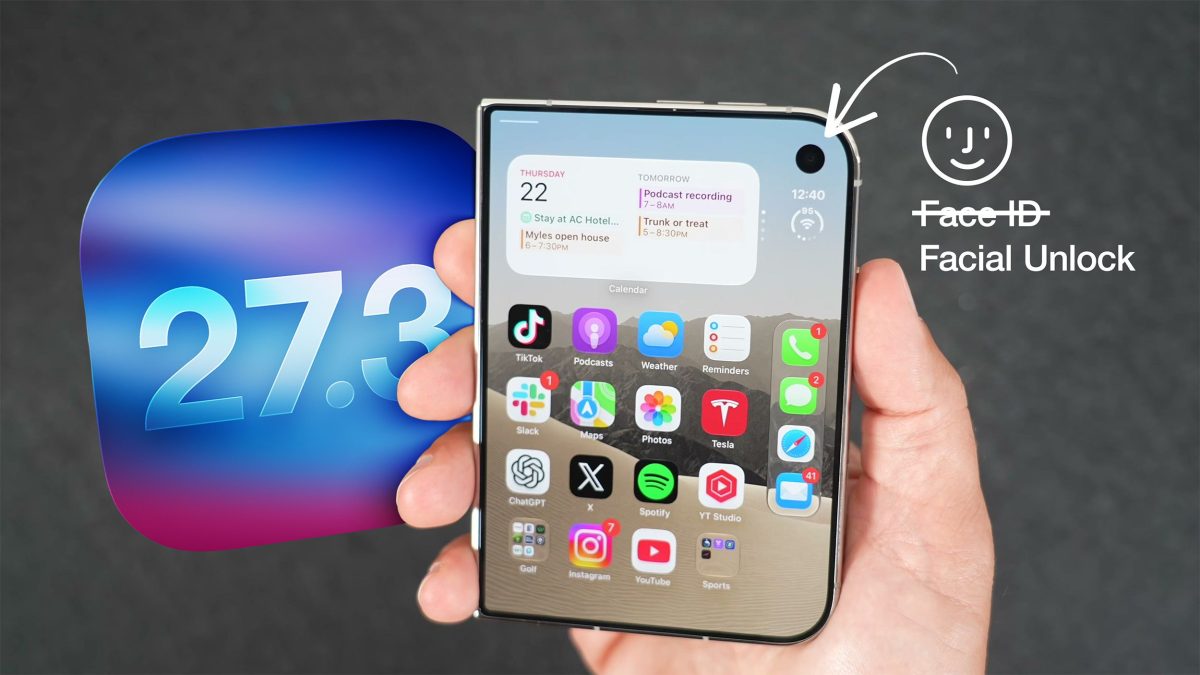
Apple Looks at Safari Layout Changes for iPhone Duo
Apple is exploring ways to give web pages more room on the iPhone Duo outer screen without blocking content.
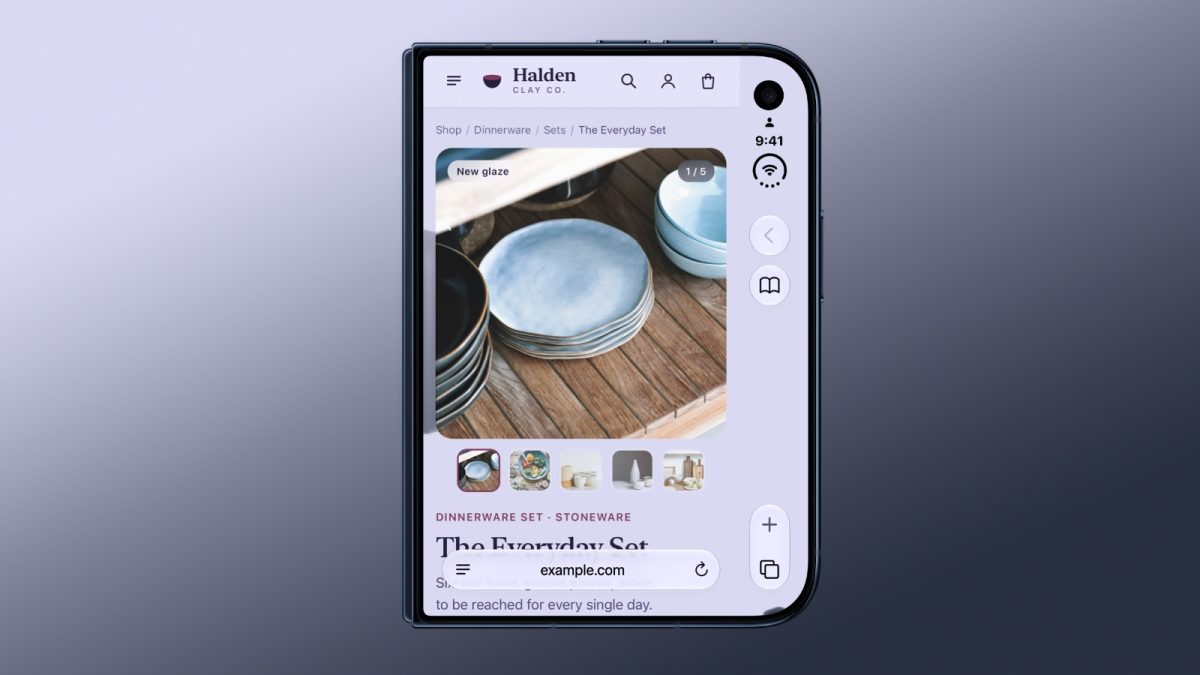
Apple is currently examining potential adjustments for the Safari browser on the iPhone Duo. These modifications aim to let websites utilize more space on the outer screen, though the corporation has not finalized a specific method yet.
The main obstacle is permitting pages to sit underneath the side-mounted interface controls. According to a WebKit post shared on Friday, October 23, by Apple's Jen Simmons, an existing feature can accomplish this, but testing indicates that numerous web pages fail to implement it properly.
The function, known as viewport-fit=cover, pushes a page into zones usually kept clear for the browser layout. Creators must manually add padding to ensure critical information remains visible. MacRumors noted that many domains neglect these margins on all sides.
Alternative Solutions and Current Design
To reduce the risk of hiding content, Apple is studying alternative approaches that give programmers finer control. One concept involves extending a header background across the entire width while keeping navigation items in the safe zone.
At present, Safari 27.1 confines web content to the space next to the controls, employing the page background color to fill the leftover vertical strip. This design choice restricts horizontal space on the outer screen.
The current configuration exists because of the display dimensions. Because the outer panel is wider and shorter than standard iPhone screens, Apple positioned the controls along the edge to maximize vertical room for applications and sites.
New PDF and Folding Features
In addition to layout discussions, Safari 27.1 introduces a two-page PDF viewing mode. This activates automatically when users hold the iPhone Duo partially bent in a book-like posture. Straightening or shutting the hardware reverts the file to a standard single-page layout.
Programmers can also experiment with tools that detect folding postures and arrange layout elements around the center crease. These capabilities are hidden behind experimental feature flags in Safari, while the potential layout modifications for the side controls are still being evaluated.