Apple's iPhone 18 Pro Adds Variable Aperture and Faster 2nm Silicon
Apple's iPhone 18 Pro introduces a variable-aperture main camera and the 2nm A20 Pro processor while keeping the physical dimensions of its predecessor.
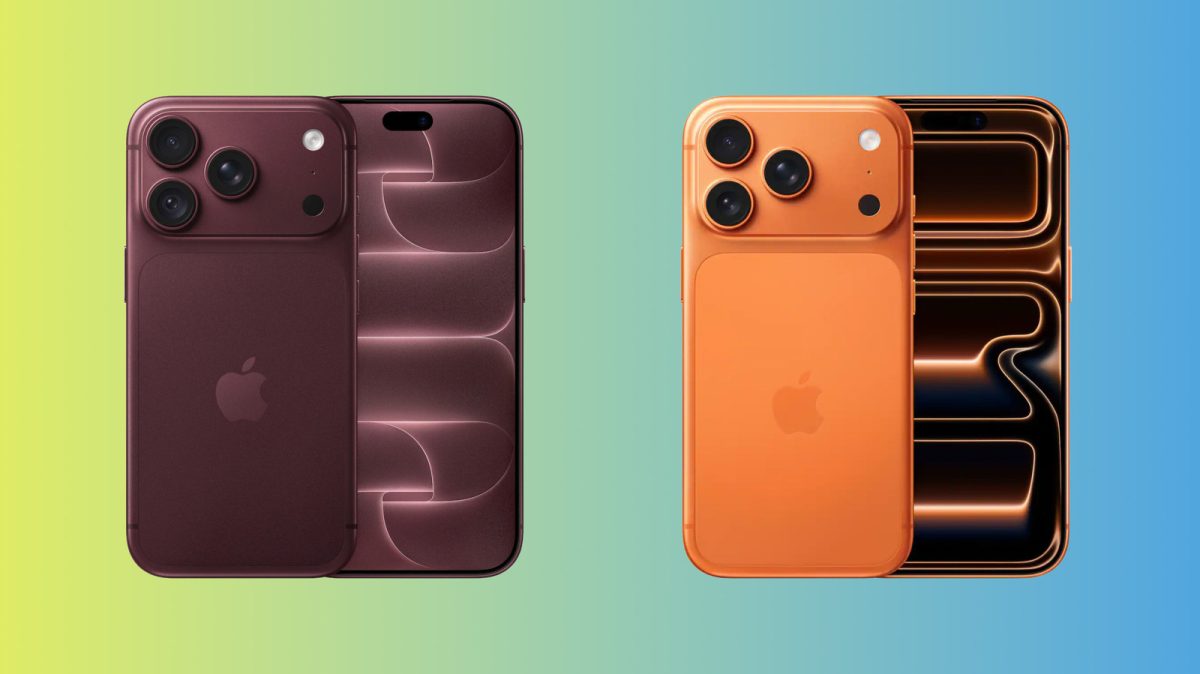
Apple's latest iPhone 18 Pro and Pro Max introduce an adjustable camera aperture, faster 2-nanometer silicon, and modest battery improvements over the iPhone 17 Pro series, despite retaining the same exterior dimensions. The updates deliver refined creative controls and internal revisions while keeping the overall design language familiar.
Both models preserve the earlier generation's aluminum unibody construction, Ceramic Shield glass, and IP68 water resistance. Screen dimensions also remain unchanged, offering a 6.3-inch OLED panel on the smaller edition and a 6.9-inch screen on the Max, each topping out at 3,000 nits outdoors with 120Hz refresh rates. Even so, the handsets are heavier: the base Pro increases by 2.4 percent to 7.44 ounces, while the Max jumps 6.9 percent to 8.78 ounces. Display bezels now frame a reduced Dynamic Island cutout, which relies on under-screen infrared light transmission to track up to three simultaneous Live Activities.
Camera and Video Enhancements
The headline hardware revision sits within the primary 48-megapixel sensor. Rather than relying on the fixed f/1.78 lens seen on the 17 Pro, the new camera switches between four physical apertures: f/1.48, f/1.8, f/2.8, and f/4.0. Users can let the phone select the aperture automatically or adjust it by hand to manage exposure and depth of field. Apple also introduced manual controls for white balance and shutter speed alongside an on-screen histogram, while leaving the 48-megapixel ultra-wide and 4x telephoto cameras at their previous specifications.
Filmmakers gain the ability to record rear Cinematic mode footage at 4K resolution up to 60 frames per second, an increase over the previous 30 fps ceiling. A newly introduced Apple Reference Image option saves authenticated RAW data alongside finished pictures to confirm that photos have avoided artificial manipulation. For post-capture styling, the Photographic Styles 3 interface includes dedicated sliders for grain, glow, and skin softening.
Processing Power and Battery Life
Under the hood, Apple replaced the 3-nanometer A19 Pro with the A20 Pro, manufactured on an advanced 2-nanometer node. The updated architecture pairs a six-core CPU with Neural Accelerators, a seven-core graphics engine, and a 32-core dual Neural Engine. Apple claims these additions provide double the artificial intelligence processing throughput, 40 percent faster graphics rendering, and a 50 percent boost in memory bandwidth. A redesigned internal layout connects the processor directly to an updated vapor chamber to maintain peak speeds during sustained workloads.
In its comparison, Engadget described the lineup as an incremental update akin to traditional "S" generation refreshes rather than a complete overhaul. The hardware shifts are largely identical across both screen sizes, meaning buyers do not need to purchase the heavier Max model simply to access top-tier imaging capabilities.
Battery endurance sees a modest lift as well, with the standard Pro rated for 36 hours of offline video playback versus 33 hours on its forerunner. For shoppers weighing an upgrade, the added weight and higher pricing mean the primary incentive lies in manual camera flexibility and sustained processing efficiency rather than an entirely new design.