Gears of War: E-Day Sales Stumble as Game Pass Dominates Player Count
Analyst data suggests Gears of War: E-Day drew 1.7 million Game Pass players while moving fewer than 320,000 standalone copies.
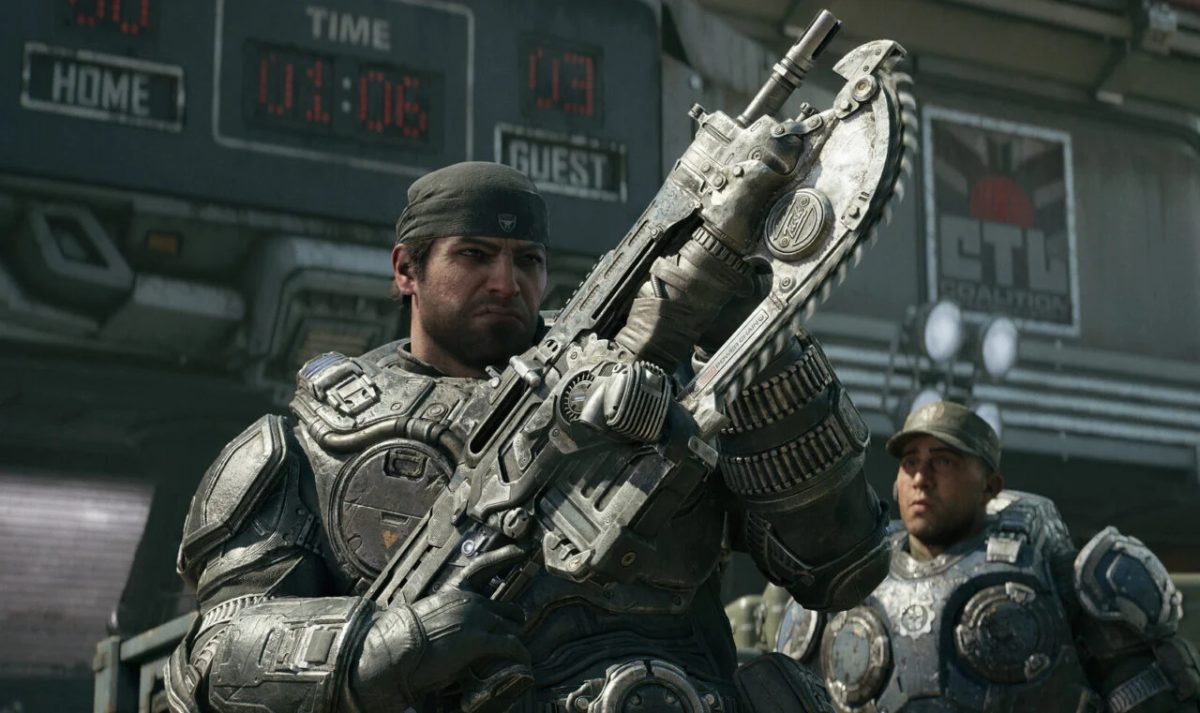
Player uptake for Gears of War: E-Day has skewed heavily toward subscriptions rather than traditional retail purchases, according to tracking estimates from Alinea Analytics. While the critically praised action title brought in roughly 1.7 million users through Xbox Game Pass during its arrival week, unit purchases lagged behind at around 230,000 copies.
The platform breakdown reveals that PC storefront Steam handled the majority of direct unit transactions. Rhys Elliott of Alinea shared figures in an October 9 post on X showing 168,000 sales on Valve's digital store, compared to only 62,000 purchased across console and PC via Xbox storefronts. Kotaku detailed these estimates, noting an earlier overall projection of 320,000 copies sold during the initial launch window.
Direct game sales told only part of the commercial story, however. Many subscription users chose to spend extra money ahead of the standard release date. An estimated 722,000 subscribers spent $30 on an upgrade bundle granting early play five days before the standard launch.
Combining traditional copies and upgrade add-ons resulted in roughly $37 million in total takings across platforms. Even with weak unit sales on its own system, Xbox accounted for approximately $26 million of that sum due to the volume of early-entry upgrades. Microsoft has not publicly confirmed or denied these estimates.
The Impact on Xbox Studios
The commercial outcome highlights ongoing questions about how subscription models affect first-party development teams. Gears of War developer The Coalition delivered the most acclaimed entry in the franchise for several years, yet studio staff remain exposed to broader corporate anxieties regarding future budget contractions across Microsoft's gaming division.
Alinea argued that providing major releases on subscription tiers diminishes potential revenue from devoted fans. In Elliott's view, enthusiasts who would have willingly paid $70 up front instead paid less than half that amount for an add-on, without the release generating a large surge of brand-new subscribers to compensate.
The research firm noted that an inexpensive ad-supported subscription tier cannot resolve the issue of committed players paying discounted sums for flagship releases. Raising the cost of immediate access represents one possible adjustment, while another path mirrors Microsoft's recent strategy with Call of Duty, where day-one availability was withheld from standard catalog inclusion.
If these platform estimates prove accurate, Microsoft faces difficult decisions regarding its release calendar. Continued cannibalization of premium boxed and digital sales may force leadership to rethink how future blockbusters arrive on the service, altering how players access major Xbox productions moving forward.