Global Phone Shipments Sink 20% as Apple and Samsung Grow Share
Worldwide smartphone shipments fell 20 percent in the third quarter to a 14-year low, even as Apple and Samsung managed to expand.
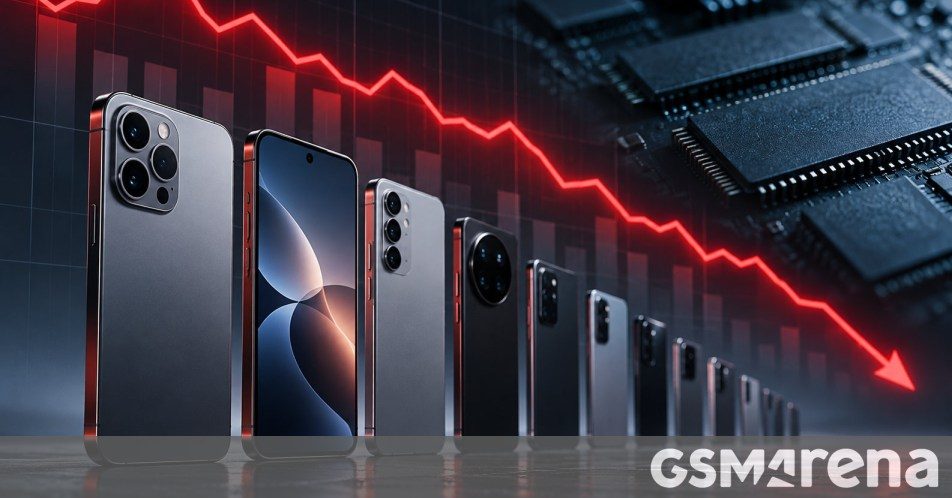
Worldwide smartphone shipments plummeted by 20 percent year-on-year throughout the third quarter of 2026, marking the weakest volume recorded for that three-month stretch in 14 years. Despite the severe contraction across the broader technology industry, Samsung and Apple emerged as the sole vendors among the top tier to expand their presence and increase their slice of total deliveries.
According to research from tracking firm Counterpoint Research, as reported by GSMArena, Samsung retained its position as the top supplier globally by securing 23 percent of all mobile shipments. That performance marks a notable jump from the 19 percent share the South Korean company commanded during the identical period twelve months earlier.
Apple followed closely in the runner-up slot, capturing 22 percent of worldwide shipments between July and September. The figure represents solid growth from the 18 percent level posted in Q3 2025, marking the first occasion that the iPhone maker climbed above 20 percent during this particular calendar quarter.
Those gains arrived at the direct expense of major Chinese smartphone brands, each of which surrendered ground over the summer:
- Xiaomi captured 10 percent of deliveries, dropping from its previous 14 percent standing.
- Oppo secured 9 percent of the pie, down from 12 percent twelve months prior.
- vivo finished with an 8 percent stake, easing back from 9 percent in 2025.
Component Costs Squeeze the Budget Sector
Analysts attributed the historically weak shipment numbers to ongoing bottlenecks and high prices surrounding memory components. Rather than absolute part shortages, hardware manufacturers have grappled with an acute absence of reasonably priced memory supplies.
These component expenses have contributed to a 20 percent surge in global retail phone prices across 2026 so far. That inflationary pressure has hit the entry-level tier hardest. Because elevated production costs make inexpensive hardware difficult to sell profitably, lower-cost handsets are increasingly being squeezed out of retail channels.
In contrast, premium hardware has shown persistent resilience against rising costs. Samsung capitalized on that buyer appetite through strong initial interest in its foldable lineup, which includes the Galaxy Z Flip8, Galaxy Z Fold8 Ultra, and standard Galaxy Z Fold8. The standard Fold8 emerged as the primary sales driver among the new folding generation.
Manufacturers Pivot to Margins Over Volume
Market analysts caution that challenging trading conditions will linger through the remainder of the calendar year. In response, smartphone makers are shifting their core operational goals away from chasing sheer distribution volume.
Instead, brands are prioritizing bottom-line margins. Device shoppers can expect a tighter mobile catalog moving forward, characterized by sustained manufacturing curbs, fewer redundant handset models, and an intensified corporate focus on expensive flagship releases.