Google Play to Allow AI-Built App Publishing Without Developer Accounts
Google is letting users publish AI-generated apps to their personal Play Store library using only a standard account.
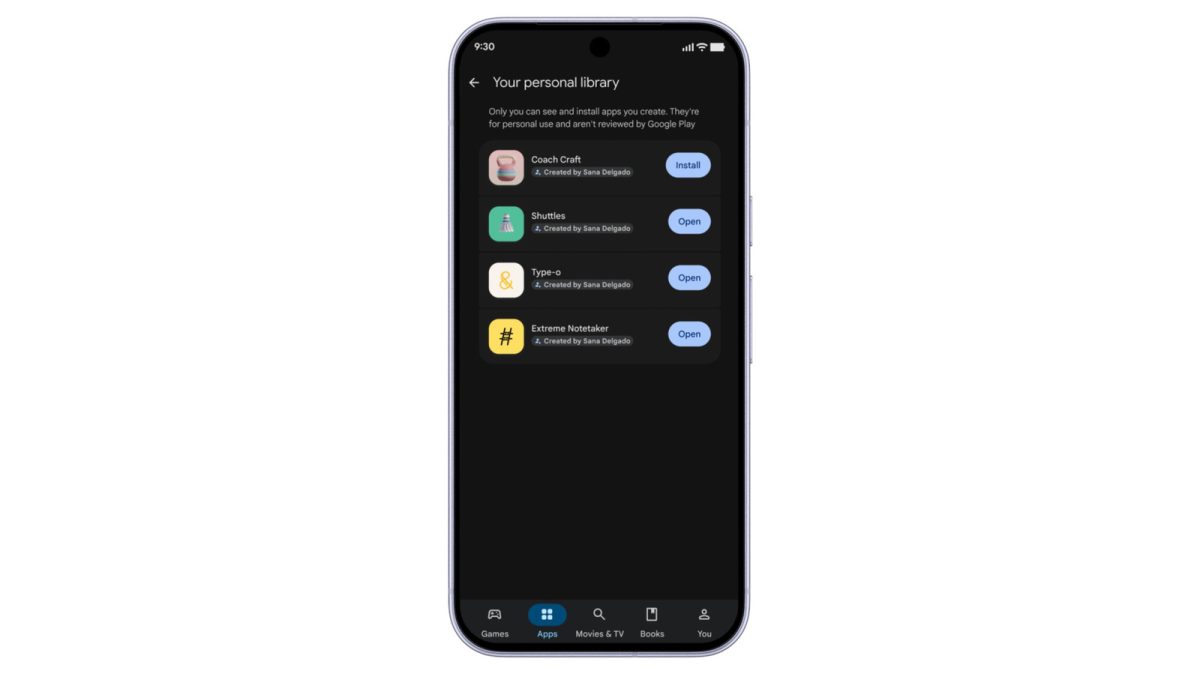
Google will let anyone who creates software using artificial intelligence prompts deploy their creations on the Play Store using just a standard account. The initiative removes the requirement for users to buy a dedicated developer registration before testing their own builds on Android hardware.
This streamlined pipeline links directly to Google AI Studio. Within that environment, individuals can generate working Android applications by typing written prompts into Gemini, subsequently refining the output either with additional natural-language requests or direct code modifications. The feature is launching for users aged 18 and older located in the United States and chosen international markets.
In the past, running custom software on Android meant sideloading APK packages, an installation route that Google has made increasingly complicated over the past year. Under the new workflow, uploaded software is placed directly into a personal library view on the creator's own devices, including compatible computers, tablets, and phones.
While these experimental builds cannot reach the general public right away, Google intends to introduce controlled distribution options for personal contacts and family members later. Programmers wanting to reach an international user base must eventually transition their project into a standard paid account, which subjects the software to typical Play Store security assessments.
Search Tools, Interface Updates, and Gaming Features
Alongside publishing tweaks, Google is revamping store discovery, as reported by Engadget. Gemini can now display direct store download links during conversational sessions. Meanwhile, dedicated sports sections shown during live broadcasts are broadening to include soccer competitions such as Major League Soccer and the Premier League. The Play Store interface has also been adjusted to properly fit screens on Android XR headsets as well as connected vehicle systems.
For gaming audiences, the store is gaining a recommendation engine called Game Finder. This utility builds recommendations around a taste metric named Gamer DNA, which customers can adjust to match specific preferences. Google indicated in a press briefing that it wants to implement more detailed categorization over time, allowing players to isolate titles with specific attributes like physical controller support. Customers will also be able to curate and share game playlists with other mobile players.
The actual gaming environment on Android is receiving updates as well. Google has upgraded the Sidekick overlay with a tool that records 30-second clips of active play. For game studios, three new systems aim to maintain player activity: Sprints, Quests, and Community Posts.
Sprints create 48-hour competitions that pair participants of comparable skill against each other on leaderboards. Quests have expanded beyond distributing Play Points to granting direct digital items inside games. Lastly, Community Posts add dedicated question-and-answer modules to game pages, letting visitors resolve questions before or after downloading. Together, these adjustments reflect Google's dual focus on generative tools and maintaining store relevance amid legal pressure to support rival app marketplaces.