How Grand Theft Auto 4 Subverted the Series' Open-World Formula
Grand Theft Auto 4 broke Rockstar's traditional mold in 2008 by trading expanding maps and crime-boss fantasies for a darker, tighter story.

Grand Theft Auto 4 broke away from the franchise's predictable storytelling habits and continuously expanding map sizes when Rockstar released it in 2008. While earlier three-dimensional releases established the studio's reputation for innovation, they largely adhered to a familiar structure where protagonists encountered misfortune before building exaggerated criminal empires. By contrast, the fourth numbered entry took a bleaker, more grounded approach.
A retrospective analysis from Polygon highlights how the project challenged expectations at the time. Prior installments led players through the rise of figures like Tommy in Vice City or C.J. in San Andreas. Those characters achieved underworld dominance after initial struggles, such as betrayal or the death of C.J.'s mother, leaving little space for genuine emotional depth.
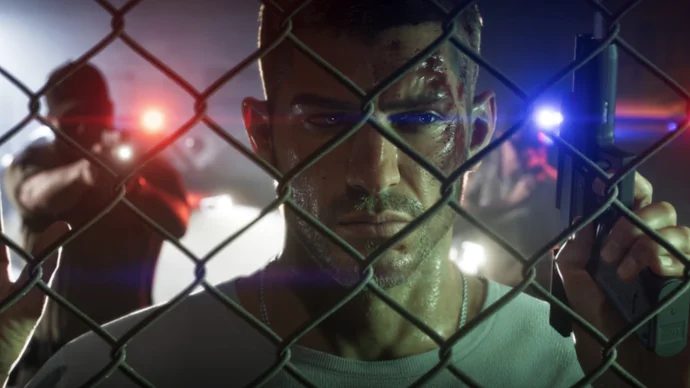
Niko Bellic provided a sharp break from that convention. A veteran arriving in the United States, Niko crossed the Atlantic seeking an improved existence while searching for the person who betrayed his military squad. Instead of achieving his hopes, his good intentions unraveled as he sank into local crime rings, abandoning his principles simply to survive.
A Smaller and More Intentional Map
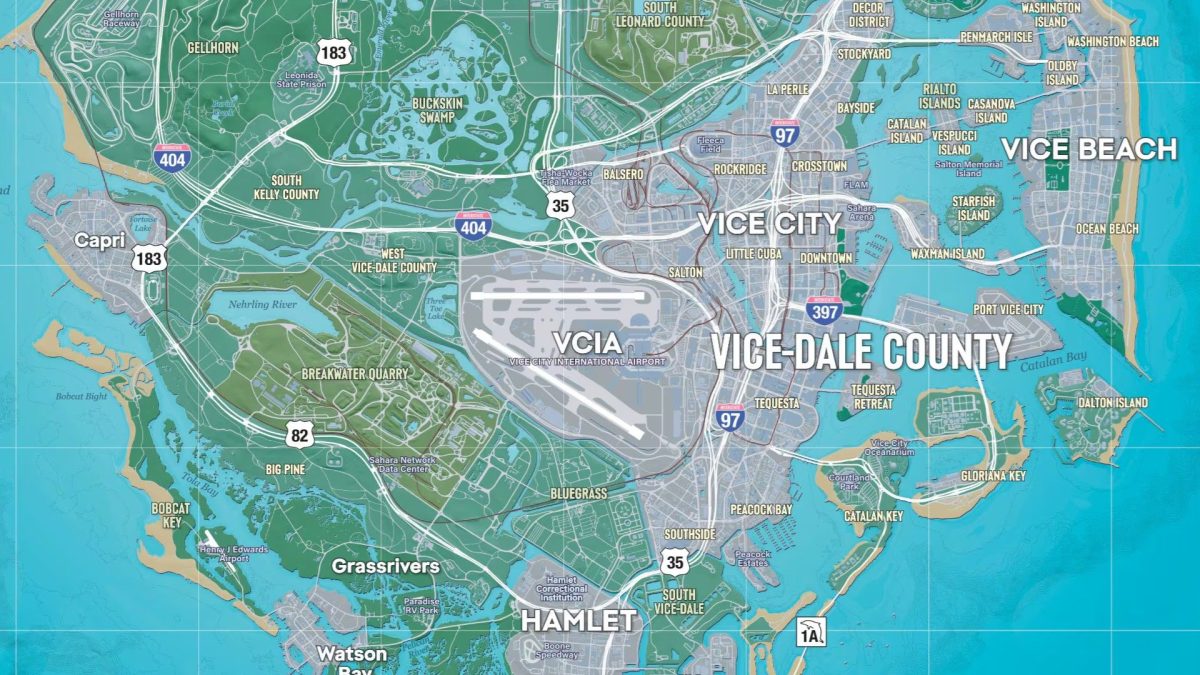
That thematic restraint shaped the physical design of Liberty City. While previous mainline titles steadily widened their borders, the 2008 setting offered a comparatively compact landmass. Rockstar co-founder Dan Houser explained during development that the team wanted to eliminate wasted space, demanding that every neighborhood carry a sense of purpose.
The resulting playground drew clear inspiration from post-September 11 New York City. Travel between districts was initially restricted by raised bridges following terrorist threats, focusing attention on grime, scale, and vertical detail. Despite its oppressive atmosphere, the dense setting felt more vibrant than the sprawling layouts of Vice City or Los Santos.
The grim environment mirrored Niko's tragic path. Even after securing his footing in the criminal hierarchy, Niko gained no happy resolution, as financial survival could not undo his personal losses. The plot offered a sober critique of the American Dream rather than a celebratory power trip.
Setting Expectations for Grand Theft Auto 6
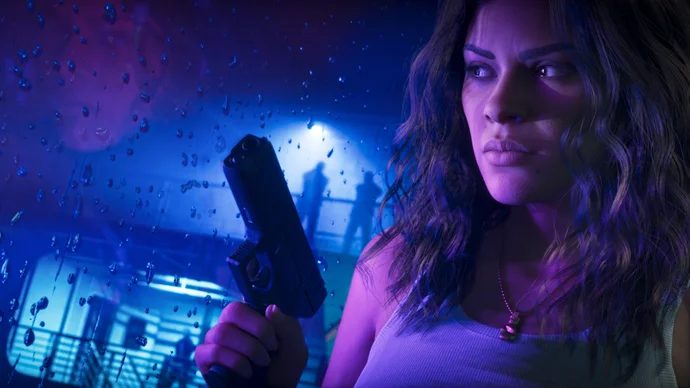
That narrative weight remains notable as Rockstar works toward the debut of Grand Theft Auto 6. Early details indicate the upcoming installment may center on Jason and Lucia as charismatic partners in crime, suggesting a potential return to traditional outlaw tropes.
Whether the next title will confront the consequences of criminal ambition as starkly as Niko's story did remains to be seen. The lasting legacy of the 2008 game rests on its willingness to avoid predictable formulas in favor of real narrative stakes.