Microsoft Unveils Surface Laptop Ultra Powered by Nvidia RTX Spark
Microsoft's $2,599 Surface Laptop Ultra targets AI developers with up to 128GB of RAM and Nvidia's Arm-based RTX Spark platform.
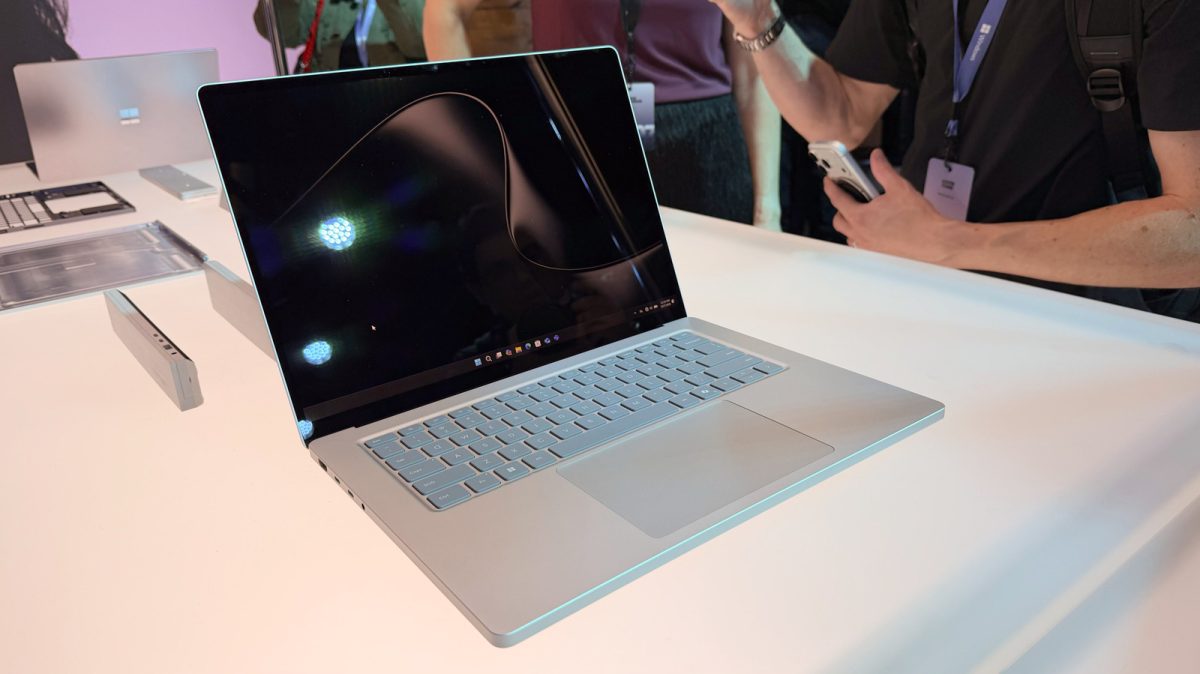
Microsoft has showcased the Surface Laptop Ultra, a high-end 16-inch notebook starting at $2,599 designed specifically for artificial intelligence engineers and workstation users. The device runs on Nvidia's RTX Spark platform, pairing an Arm central processor with unified memory configurations that can reach up to 128GB.
Hands-on reporting from Engadget describes the machine as a restrained, aluminum-clad workhorse weighing under 4.5 pounds. That makes the notebook slightly lighter than a 16-inch MacBook Pro from Apple while maintaining a rigid, durable frame. Microsoft opted for a clean look rather than unusual hinges, pairing a bright display with a tactile keyboard and a generous haptic touchpad.
Physical connections include standard workstation ports such as HDMI, a full-size SD slot, and several USB-C inputs. Microsoft also revised its approach to power delivery by replacing the proprietary Surface Connector with a specialized, offset USB-C port. This jack links to a magnetic USB-C cable that detaches under sudden strain, though users can still charge the laptop using standard USB-C cables. Microsoft representatives noted the magnetic cable only attaches to this laptop, but reversing it at the charging brick yields a regular USB-C connection.
Hardware and Battery Performance
Under the hood, the RTX Spark system packages an Arm processor, dedicated graphics, and a neural processing unit. The hardware demonstrated notable graphical capability by runningGears of War: E-Day smoothly at settings slightly above 1080p. Performance remained consistent whether the notebook was connected to wall power or running unplugged, an advantage Microsoft credits to its efficient Arm processor architecture.
That portable processing headroom is aimed squarely at software developers. At Microsoft's San Francisco gathering, attendees highlighted the historical difficulty of loading expansive machine learning workflows on portable Windows hardware. AI researcher Aidan Pinero, a graduate student at UCSC Silicon Valley, welcomed the ability to match the 128GB memory capacity previously limited to Apple's high-end notebooks.
Developer Focus and Market Impact
During the event, leadership from both Microsoft and Nvidia highlighted hybrid intelligence, an approach that divides computing tasks between on-device hardware and cloud servers. The underlying architecture mirrors the shift Apple began six years ago with Apple Silicon, relying on fast unified memory alongside integrated neural processing chips to handle complex technical workloads.
For standard consumers, the Surface Laptop Ultra remains an expensive niche machine. Unlike Apple's rollout, which brought noticeable day-to-day advantages to mainstream personal computers immediately, RTX Spark is entering the market as an exclusive option for heavy computational tasks. Buyers looking for budget-friendly hardware will have to wait to see if these battery and unified memory improvements eventually reach general-purpose Windows laptops.