Playable Build of Cancelled Portal Prequel F-Stop Leaks Online
A functional version of F-Stop, Valve's scrapped 2007 Portal prequel, is now playable following a series of data leaks.
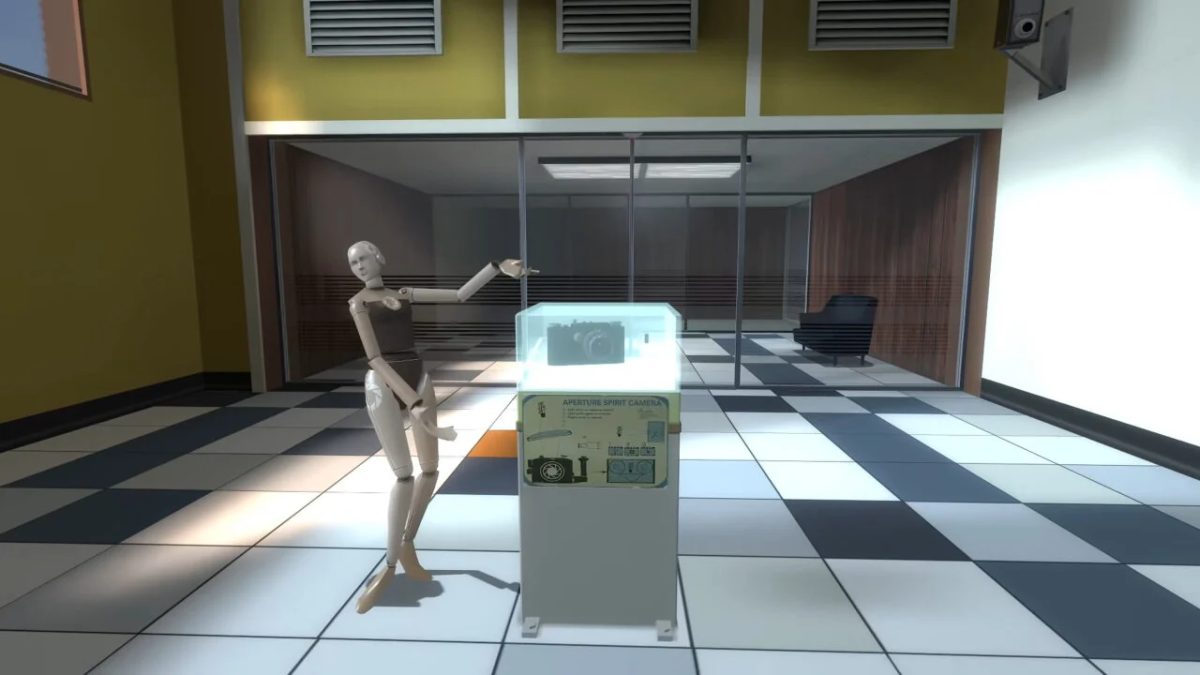
A fully playable version of Valve's scrapped 2007 project, F-Stop, has emerged online following the compilation of several separate file leaks. Originally designed as an Aperture Science prequel to the original Portal, the abandoned title had never previously been publicly playable.
The newly surfaced release relies on files collected across three separate leaks, which were coordinated and verified with assistance from the Valve Cut Content community. The earliest portion arrived in late August via a leak dubbed Steam2, consisting of around 13 terabytes of archived Steam depot files spanning from 2003 through 2013. That broad data dump contained many of the prototype's raw assets, yet it missed both the software source code and the map source files, stored internally under the mapsrc directory.
Over a 48-hour stretch, the remaining missing components surfaced inside the Valve Cut Content group's Discord server. Server moderators stated that the individual possessing the mapsrc files initially asked for a $1,000 payment to hand them over, though they ultimately released the archive for free. After researchers verified the legitimacy of the maps, contributors combined the source code, map data, and depot assets into an operational build. As reported by Kotaku, the resulting package delivers a working title that allows users to play through nearly the full experience.
Prototype Origins and Mechanics
Valve originally produced F-Stop across a three-month development phase in 2007. Gabe Newell dubbed this collaborative period the Directed Design Experiments, during which the studio split into five independent groups to explore fresh gameplay concepts. F-Stop was the prototype handled by the fifth group.
Instead of using the signature portal-placement gun, gameplay centered on an experimental camera built by Aperture Science. Players used the device to alter optical perspectives to clear puzzle chambers. Newell expressed strong enthusiasm for the design, but negative reactions from external playtesters prompted the studio to abandon the project. Valve subsequently repurposed elements of the work, adapting spoken lines, characters, and core mechanics into Portal 2.
Current Condition and Community Access
Players who have run the compiled software indicate that it represents an almost entirely finished state, with some estimating it sits at roughly 99 percent complete. A small number of audio lines and visual elements are absent, reflecting the fact that Valve never applied a standard commercial release polish before shelving it.
The appearance of this build gives the public direct access to what had previously been documented solely as an internal developer experiment, turning the files into an interactive, playable artifact. With all three separate file caches now united, fans and historians can examine the discarded puzzle design Valve tested between its classic releases.