US Flight Ground Stop Lifted After Hours of Delays
Federal authorities lifted a nationwide ground stop that paused US flight departures for over four hours due to technical issues.
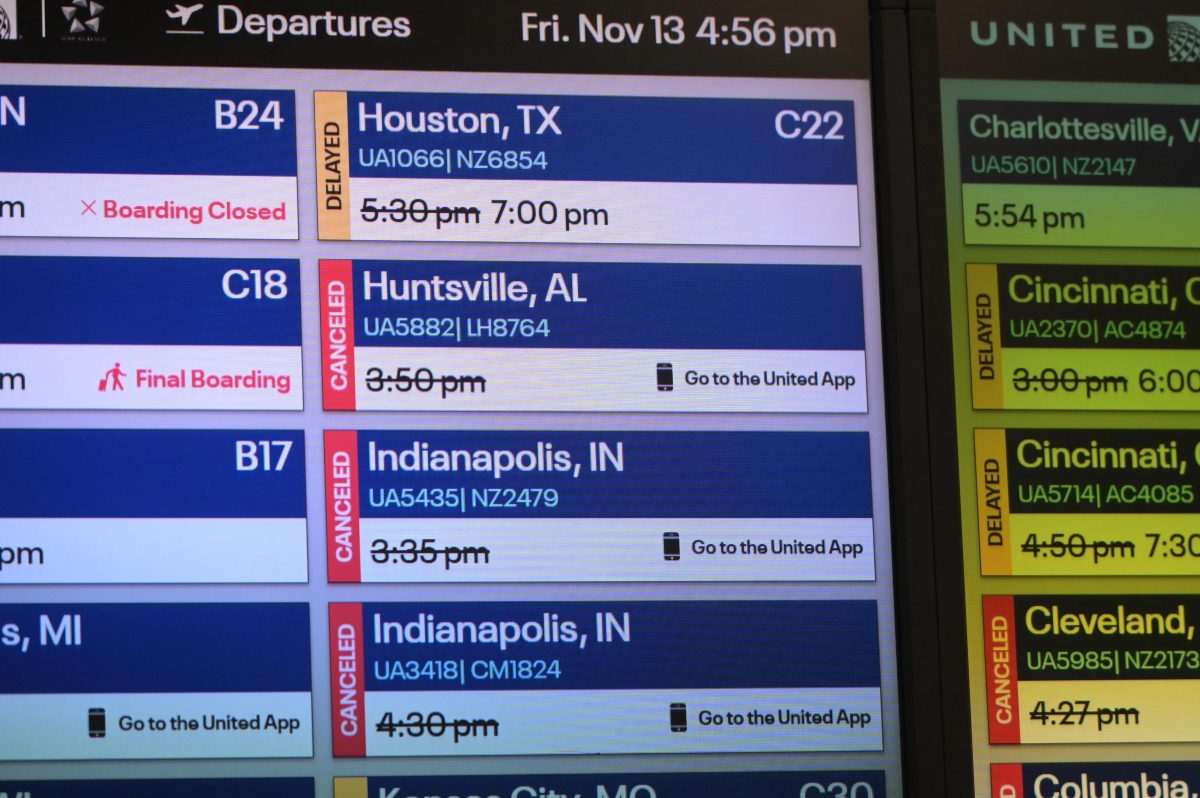
Air travel across the United States suffered major disruptions on Friday afternoon when a communication failure forced federal authorities to halt all departures nationwide. The Federal Aviation Administration implemented the restriction at 3:44 PM Eastern Time, citing safety concerns and extraordinary circumstances. Operations remained frozen for more than four hours before officials permitted flights to resume at 8:15 PM Eastern Time.
According to The Verge, Transportation Secretary Ryan Duffy explained during a White House press briefing that the disruption stemmed from aging infrastructure within the air traffic control network. Terminal Radar Approach Control facilities experienced data inconsistencies between radar feeds and aircraft communications. Duffy noted that analog telecommunication switches and routers became overwhelmed with data. Officials confirmed that software patches applied to the existing network triggered the failure, while Homeland Security Secretary Markwayne Mullin stated that authorities found no evidence linking the incident to a cyberattack or national security threat.
The Immediate Impact on Travelers
Lifting the restriction does not mean operations immediately returned to normal schedules. Travelers face lingering complications, including congested terminal buildings and flight crews exceeding their legal operating hours. Flight tracking data from FlightAware recorded thousands of delayed and canceled journeys across the country. Industry experts noted that the cascading schedule disruptions will likely persist for days as airlines work to reposition aircraft and personnel.
Understanding the Root Causes
Investigating officials addressed several potential triggers during their public statements. While acknowledging the failure began with analog equipment updates, they also reviewed recent technology deployments, though the company behind the SMART airspace management system publicly denied any involvement. Reporters tracking the incident indicated that the failure originated at the Chicago control facility before spreading to centers in Boston, Washington, New York, and Minneapolis, disabling both radar and radio channels.
For passengers, this event highlights the fragility of critical transportation infrastructure. Travelers should monitor airline notifications closely and anticipate schedule adjustments as the system absorbs the backlog. Future improvements depend on federal funding to overhaul outdated aviation technology, a priority that transportation officials intend to pursue to prevent similar incidents.