Next-Gen Xbox Could Cost Up to $1,800 Without Subsidies
Internal estimates suggest Microsoft's next system, Project Helix, could retail for $1,200 to $1,800 unless hardware expenses are offset.
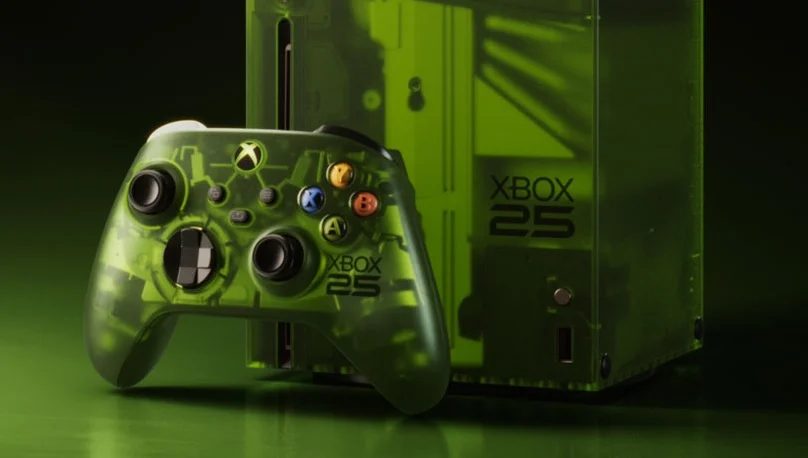
Microsoft's forthcoming gaming hardware, currently designated as Project Helix, could retail for $1,200 to $1,800 unless the manufacturer chooses to absorb substantial production expenses.
These internal pricing estimates, originally published by Fortune and reported by Kotaku, point to unprecedented manufacturing costs for a home video game system. Rival hardware is not immune to these market realities either, with Sony's anticipated PS6 reportedly encountering comparable budget pressures.
Intense competition from the artificial intelligence industry serves as a primary driver behind these ballooning estimates. Tech firms are consuming massive quantities of memory modules and storage drives, even leaving finished server assemblies sitting unused in data facilities. Xbox chief executive Asha Sharma identified customer affordability as one of the chief obstacles confronting Project Helix under these tight supply conditions.
Hardware Subsidies Under Strain
Selling devices beneath production value has long served as standard operating procedure in the console sector. In 2022, former Xbox leader Phil Spencer explained that Microsoft routinely took losses ranging from $100 to $200 on every unit purchased at retail, expecting to recover those deficits via accessories and third-party marketplace fees.
However, conventional discounts may fail to bridge the gap for the upcoming generation. Shaving a few hundred dollars off an unassisted build cost of $1,800 would still produce an extraordinarily expensive retail device. Furthermore, component suppliers warn that memory expenses are projected to climb higher through 2027 and 2028.
Offsetting hardware discounts also requires strong software sales. Platform holders depend heavily on collecting percentages from external publisher releases, but expanding that audience base has proven difficult for Xbox during the current hardware cycle.
Existing hardware already reflects these supply-chain strains. Over the past twelve months, Series X and Series S units endured notable price hikes, yet Microsoft still encounters difficulty keeping them consistently stocked on store shelves.
Even with these severe economic hurdles, company executives maintain that dedicated hardware remains a foundational piece of their long-term gaming portfolio.