Apple Bolsters Domestic Supply Chain for Future iPhones
Apple is increasing its investments in US-based manufacturers for components destined for upcoming iPhone models.
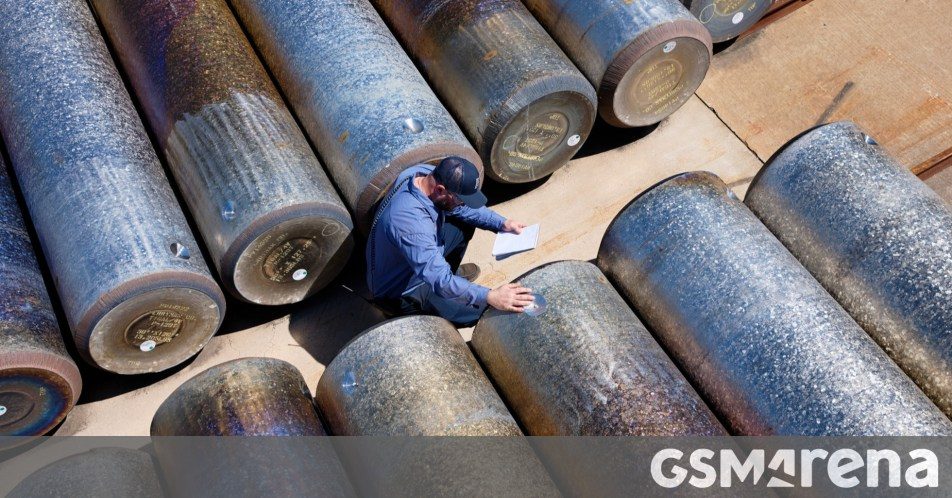
Apple announced fresh and widened agreements via its American Manufacturing Program, securing domestic sources for key elements going into upcoming hardware including the iPhone Duo and the iPhone 18 Pro. According to GSMArena, close to one hundred pieces inside these devices—ranging from wireless parts to central processors—originate from domestic firms spanning over twelve states.
Key US Suppliers and Financial Commitments
Among the beneficiaries of this push is Perryman Company, which handles the grade 5 titanium chassis for the iPhone Duo. Apple is directing up to $100 million across a three-year span toward this supplier, which utilizes a minimum of eighty percent recycled content in its melting, forging, and rolling processes. Additionally, Delaware-based Qnity Electronics is scaling up its operations to deliver specialized films required for the variable aperture camera mechanism on the iPhone 18 Pro.
Other established collaborators are also seeing updates. Broadcom continues upgrading its Colorado manufacturing hub in Fort Collins as part of an agreement aiming to yield over 15 billion domestic chips. Meanwhile, Kentucky's Harrodsburg facility run by Corning will supply the entirety of cover glass for global iPhone and Apple Watch inventories by the close of the year.
Implications for Consumers and Sustainability
For buyers, these domestic sourcing decisions mean that hardware components like the Face ID laser modules from Texas-based Coherent and the millions of processors emerging from TSMC's Arizona fabrication plants are increasingly tied to local infrastructure. Apple maintains that its operations span suppliers across all fifty states, aiding hundreds of thousands of domestic employment positions.
Looking ahead, these manufacturing efforts fall under a broader $600 billion, four-year financial pledge to domestic production. Furthermore, all direct vendors must transition to 100 percent renewable energy for their Apple-related output before the decade concludes, aligning with corporate targets for total carbon neutrality by 2030.